Gallery →
Jump to
Styles →
Information
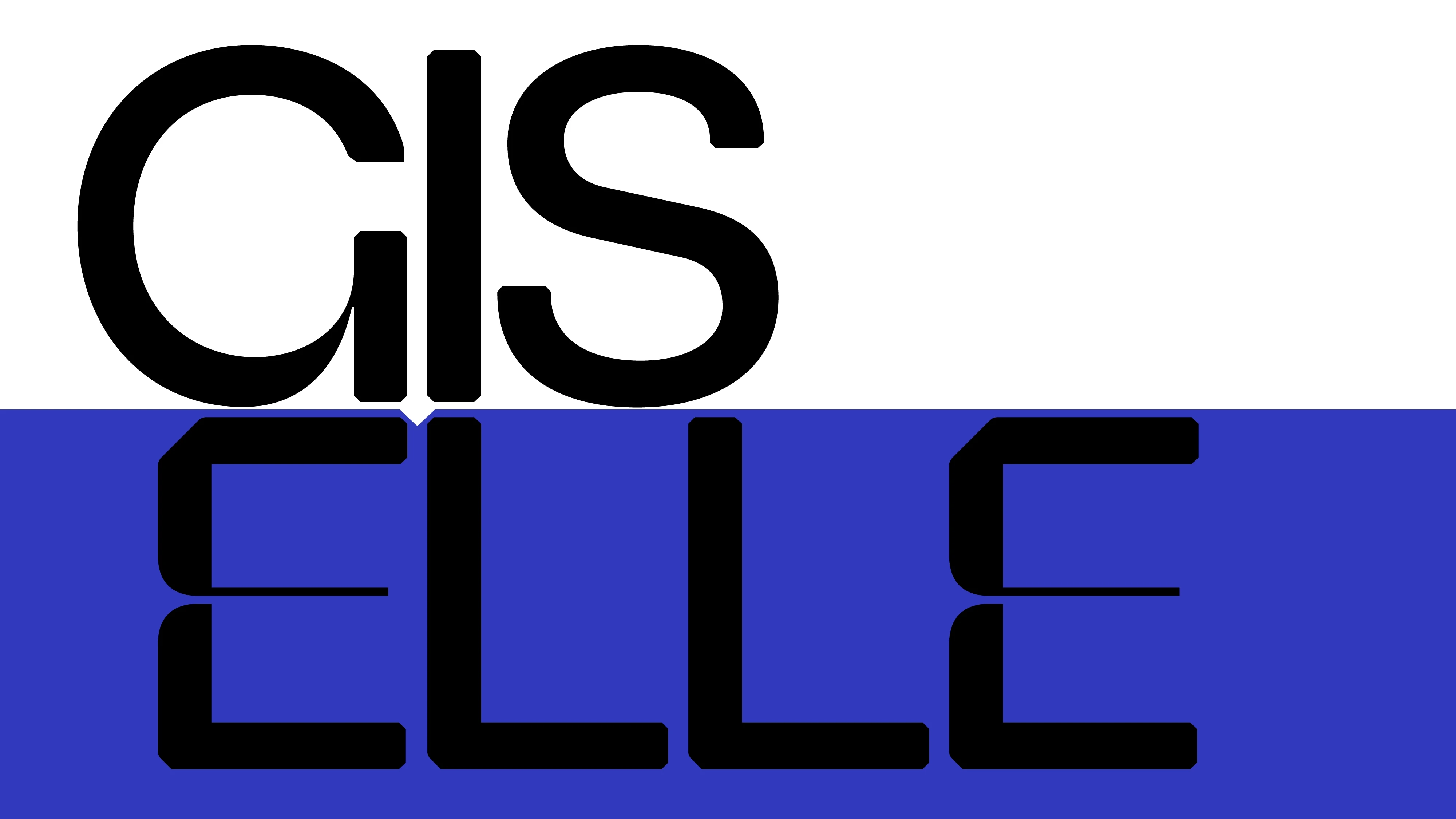
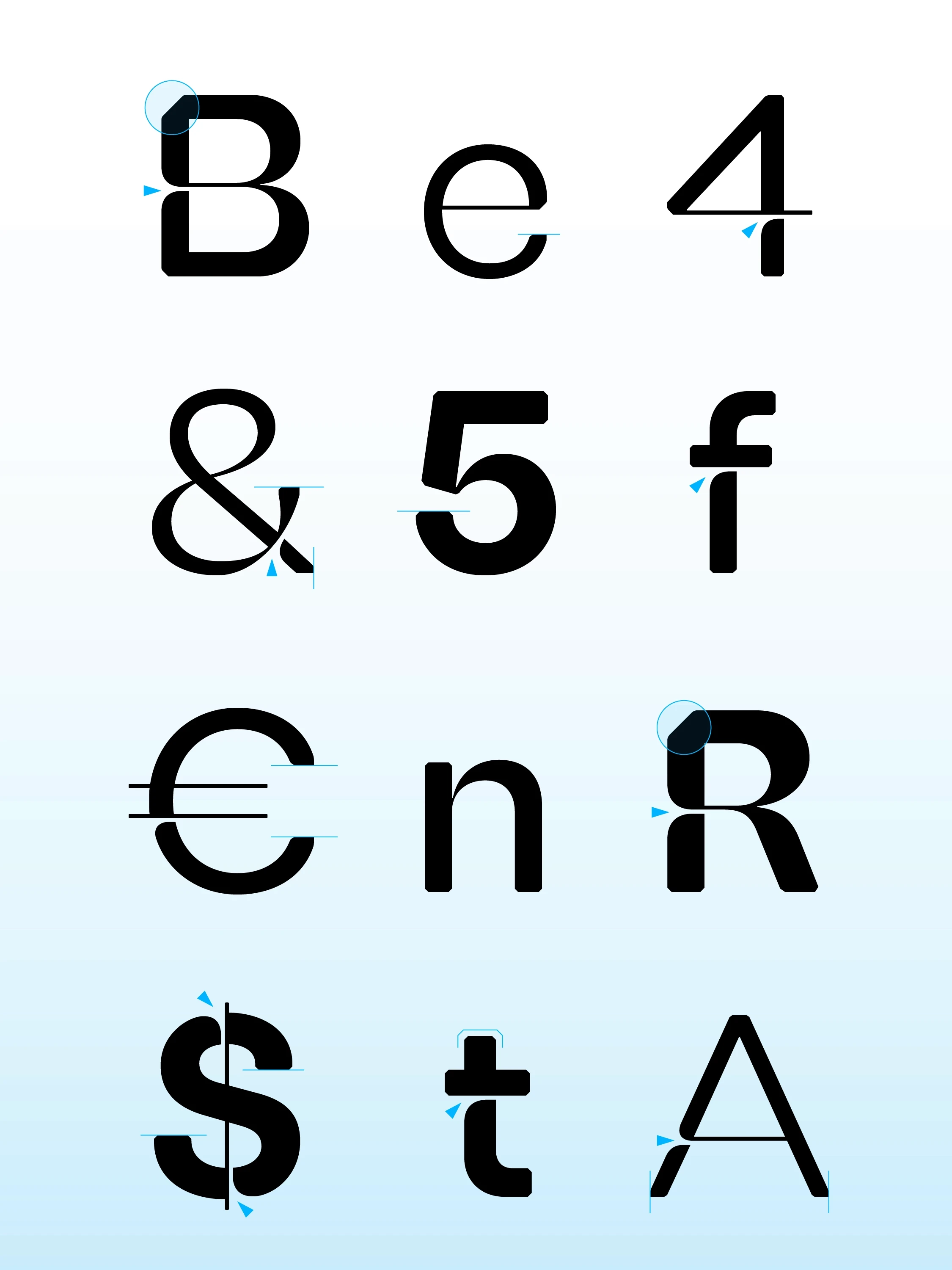
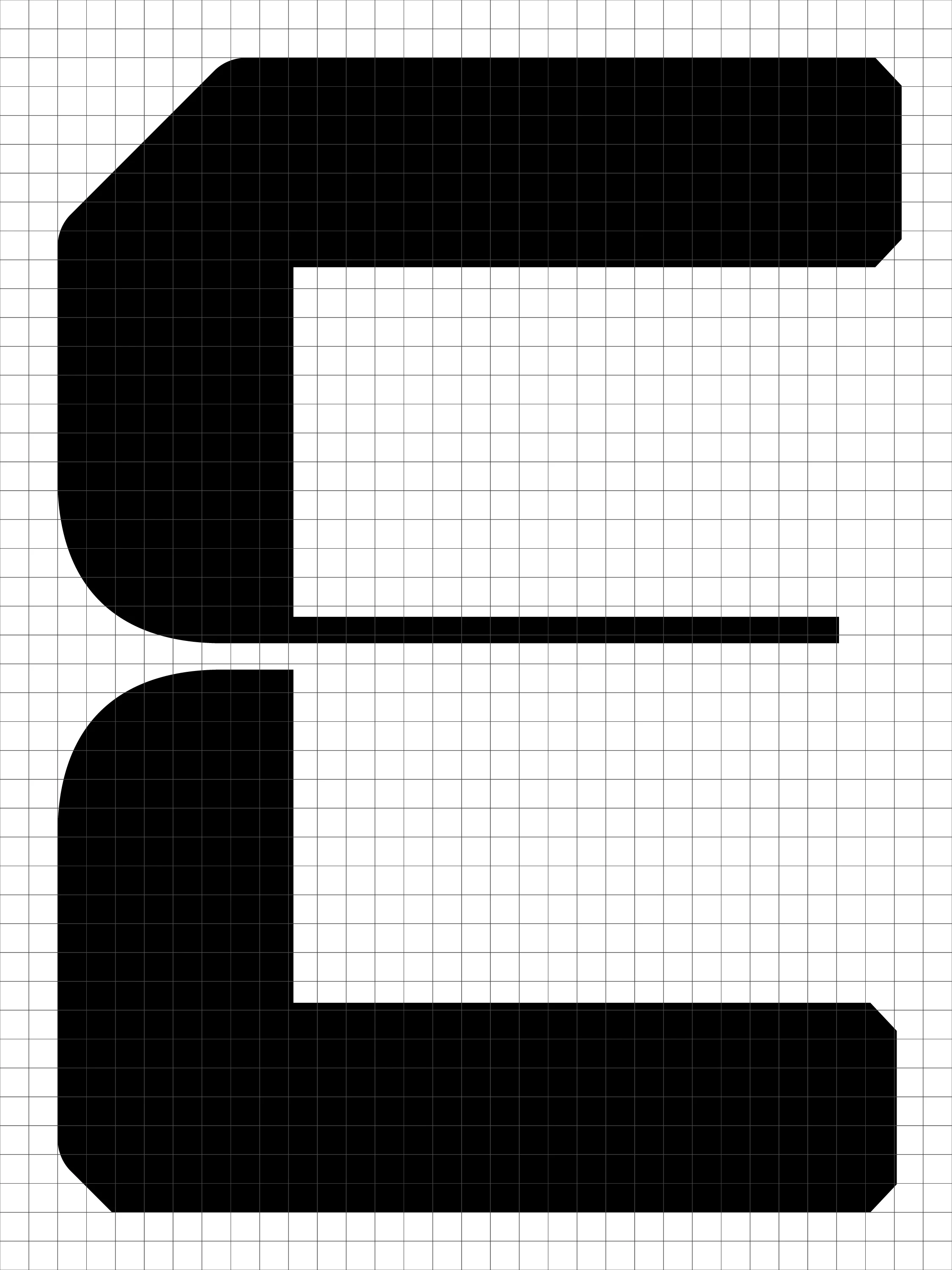
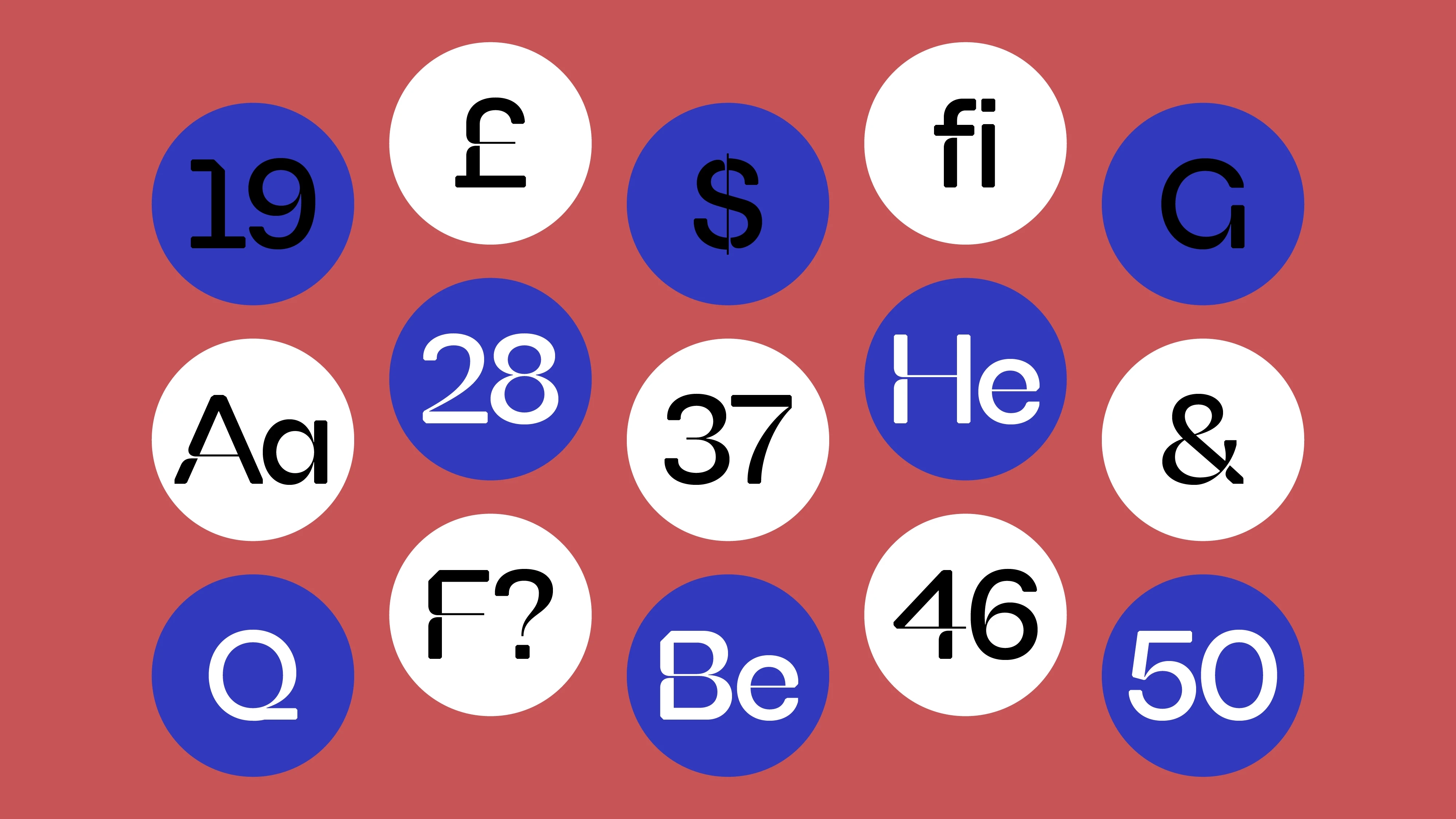
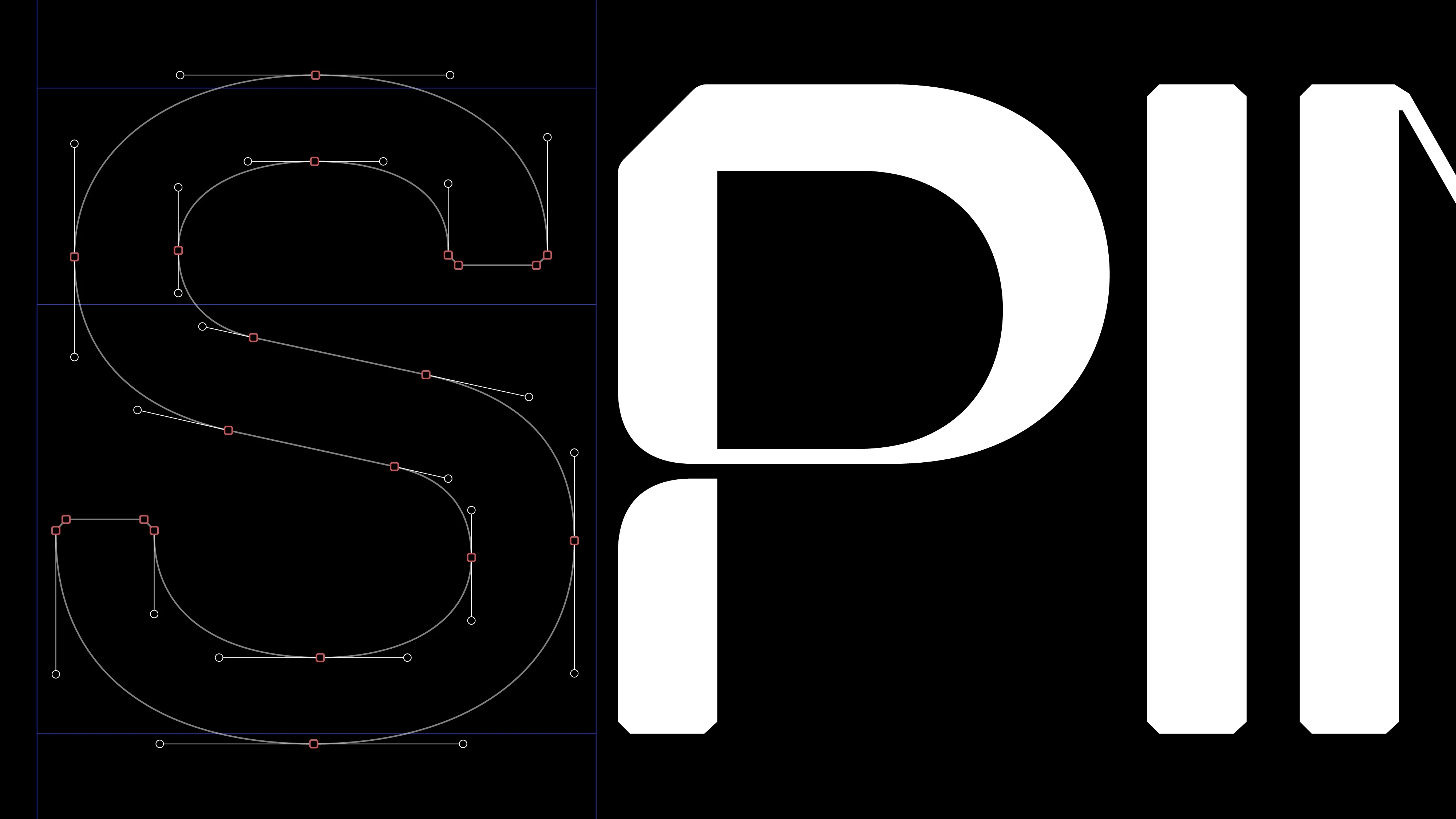
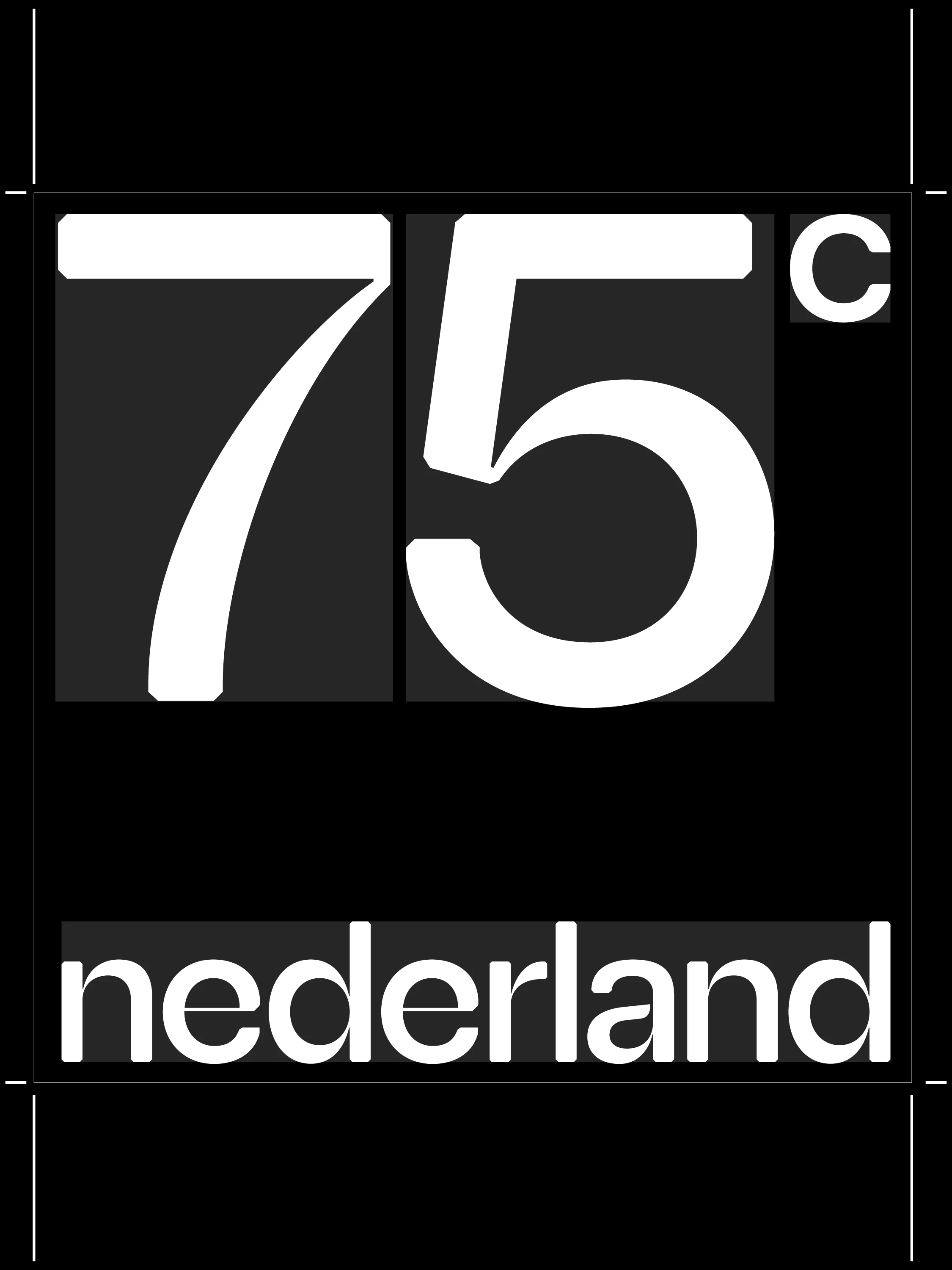
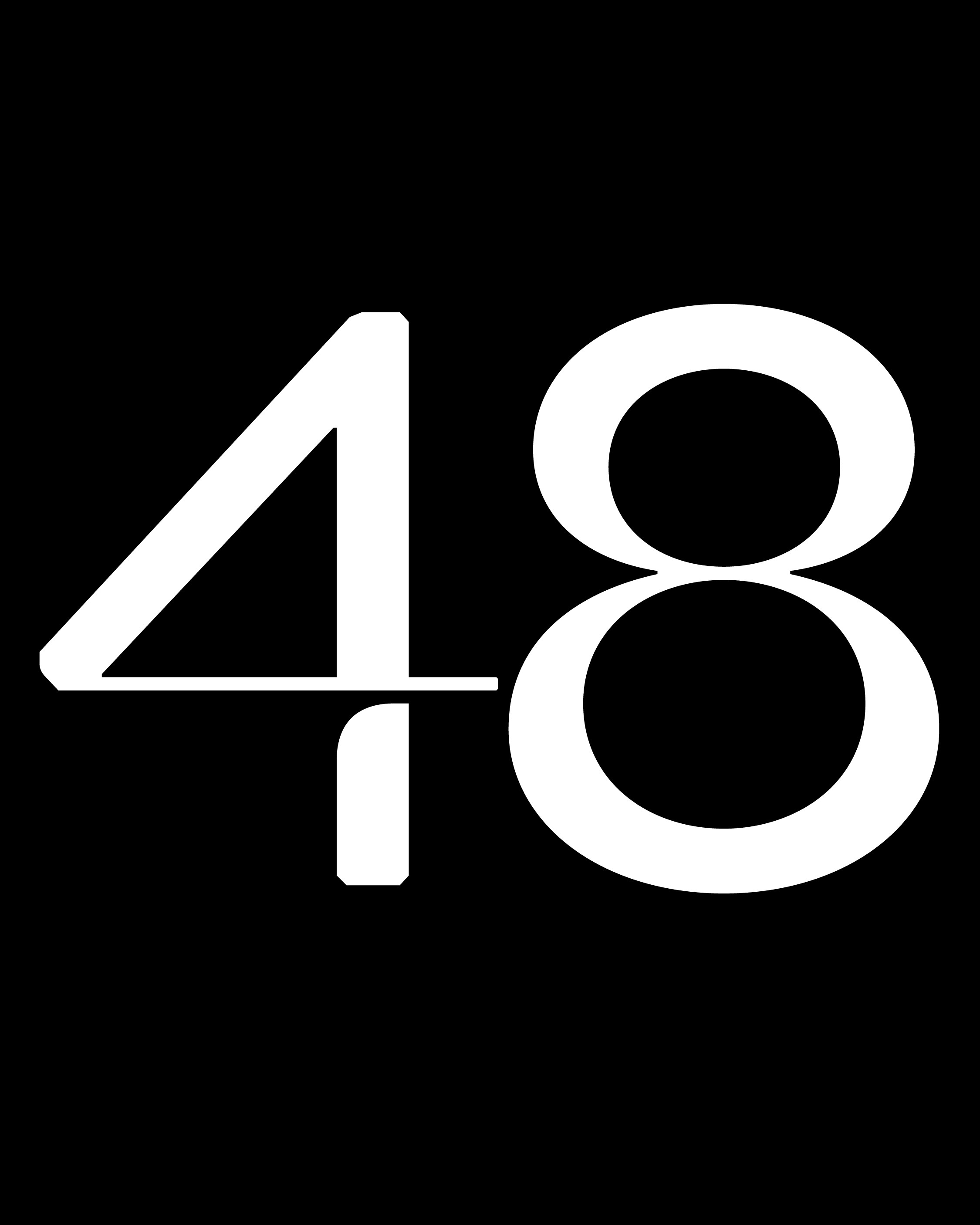
FH Giselle explores the tension between geometric restraint and expressive detail. Rooted in classical sans-serif traditions, it pushes beyond neutrality with angular cuts and deep ink traps - a nod to 19th-century French Antiques reinterpreted through a contemporary lens. Designed for editorial clarity and visual rhythm, it reads like a quiet voice with a sharp memory.
Technical Details
Release date: 2020
Current version: March 2025 (v. 3.000)
Classification: Geometric Display Sans
Font formats: OTF, WOFF2
Universals
Backlayer
Overprint
Gridwork
Hofmann
Typology
Swiss Design is not only a visual language; it is a framework for thinking. The grid organizes more than layout. It shapes intention, pacing, and hierarchy. When used well, it creates an invisible structure that guides the eye without imposing itself. Order becomes a tool for clarity, and clarity becomes a form of generosity toward the reader. In this system, restraint is not limitation but precision.
Helvetica was never designed for personality. Its purpose was to pull the designer’s hand away from ornament and place the message at the center. Yet neutrality is not emptiness; it is a deliberate choice to step aside. The typeface becomes a quiet conduit, allowing tone, content, and context to define meaning. In doing so, it reveals that clarity can be more expressive than style.
The Bauhaus movement narrowed the gap between art, craft, and engineering. It asked designers to consider how objects behave, not just how they appear. Function became the framework through which form was understood. In typography, this philosophy treated every letter as a modular element architecture distilled onto the page. The result was a vocabulary that felt universal, rooted in utility yet capable of poetic restraint.
Armin Hofmann believed that reduction was not subtraction but refinement. By carefully manipulating contrast, scale, and negative space, he created posters that felt simultaneously bold and weightless. His compositions invited the viewer to breathe, to pause, to consider the balance between tension and calm. Through discipline and clarity, he demonstrated that simplicity can be the most powerful form of communication.
Typography is more than the shape of letters; it is the behavior of language under pressure. When spacing, alignment, and rhythm are handled with care, even a plain sentence can carry the authority of a mark. In Swiss Design, typography is treated as an active participant in communication. It holds the text steady, supports the message, and ensures every word is understood before it is noticed.
Sans serif typefaces are often misunderstood as cold or mechanical. In reality, their simplicity makes them honest. Their geometry strips away mood and affect, allowing information to take precedence. This neutrality does not diminish emotion; it clarifies it. When a design is guided by purpose rather than personality, the typeface becomes a quiet foundation. Reliable, measured, and unmistakably modern.
🔠 Glyphs
Universals
Backlayer
Overprint
Gridwork
Hofmann
Typology
Swiss Design is not only a visual language; it is a framework for thinking. The grid organizes more than layout. It shapes intention, pacing, and hierarchy. When used well, it creates an invisible structure that guides the eye without imposing itself. Order becomes a tool for clarity, and clarity becomes a form of generosity toward the reader. In this system, restraint is not limitation but precision.
Helvetica was never designed for personality. Its purpose was to pull the designer’s hand away from ornament and place the message at the center. Yet neutrality is not emptiness; it is a deliberate choice to step aside. The typeface becomes a quiet conduit, allowing tone, content, and context to define meaning. In doing so, it reveals that clarity can be more expressive than style.
The Bauhaus movement narrowed the gap between art, craft, and engineering. It asked designers to consider how objects behave, not just how they appear. Function became the framework through which form was understood. In typography, this philosophy treated every letter as a modular element architecture distilled onto the page. The result was a vocabulary that felt universal, rooted in utility yet capable of poetic restraint.
Armin Hofmann believed that reduction was not subtraction but refinement. By carefully manipulating contrast, scale, and negative space, he created posters that felt simultaneously bold and weightless. His compositions invited the viewer to breathe, to pause, to consider the balance between tension and calm. Through discipline and clarity, he demonstrated that simplicity can be the most powerful form of communication.
Typography is more than the shape of letters; it is the behavior of language under pressure. When spacing, alignment, and rhythm are handled with care, even a plain sentence can carry the authority of a mark. In Swiss Design, typography is treated as an active participant in communication. It holds the text steady, supports the message, and ensures every word is understood before it is noticed.
Sans serif typefaces are often misunderstood as cold or mechanical. In reality, their simplicity makes them honest. Their geometry strips away mood and affect, allowing information to take precedence. This neutrality does not diminish emotion; it clarifies it. When a design is guided by purpose rather than personality, the typeface becomes a quiet foundation. Reliable, measured, and unmistakably modern.
🔠 Glyphs




Typografische
Custom
Information
Typografische
Typografische